Environment
Oxford Montessori Preschool and daycare environments play a crucial role in the development and well-being of young children. They provide a nurturing and supportive space where children can grow, learn, and thrive. Here is a breakdown of sub-topics to consider when discussing the preschool and daycare environment:
1. Safe and Secure Environment:
* Safety protocols: Preschools and daycares prioritize the safety of children by implementing strict safety protocols, such as secure entrances, CCTV monitoring, and childproofing measures.
* Trained staff: Qualified and trained staff members ensure that children are supervised and cared for in a safe and secure manner.
* Health and hygiene: Preschools and daycares maintain high standards of cleanliness, proper sanitation, and hygiene practices to create a healthy environment for children.
2. Stimulating Learning Environment:
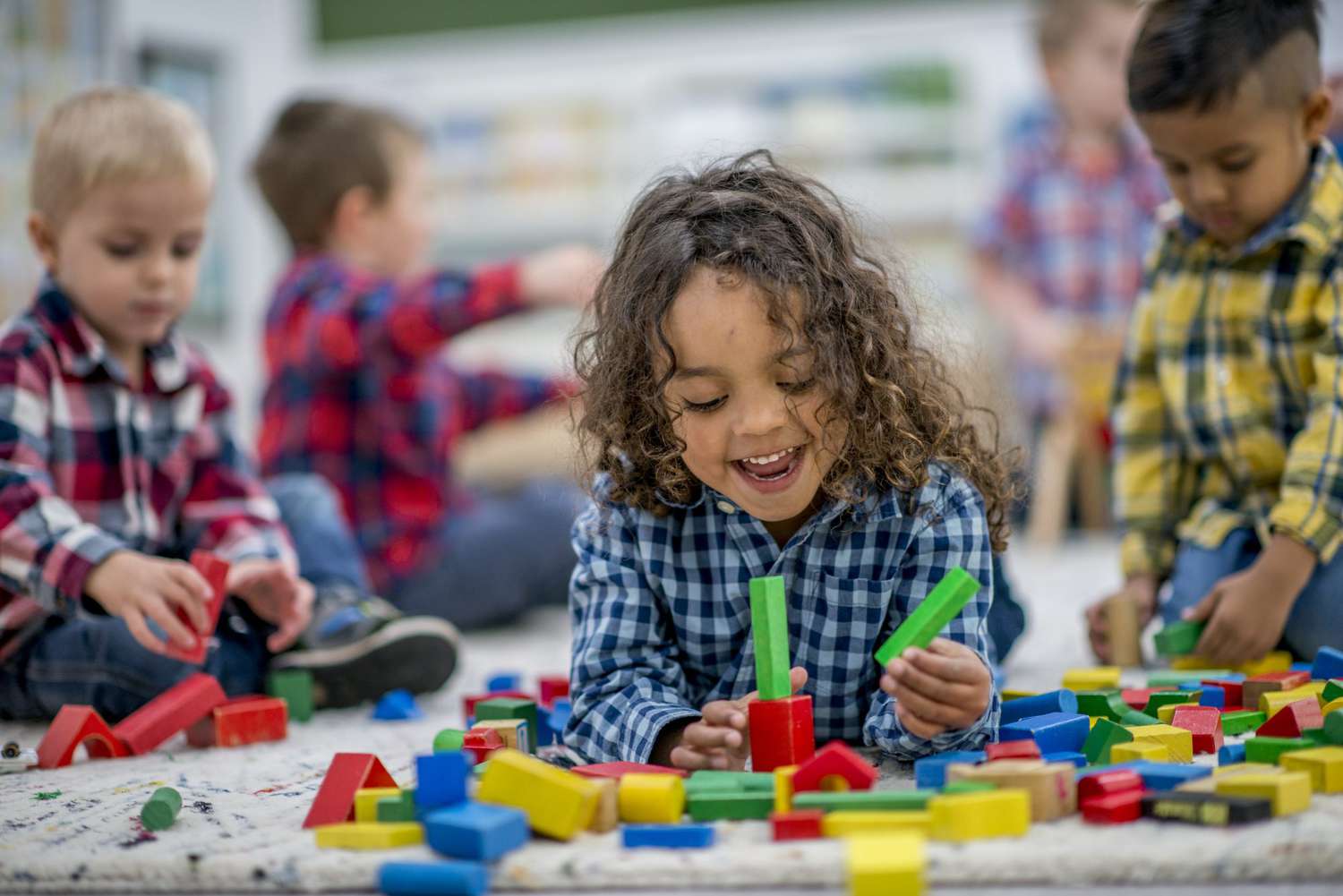
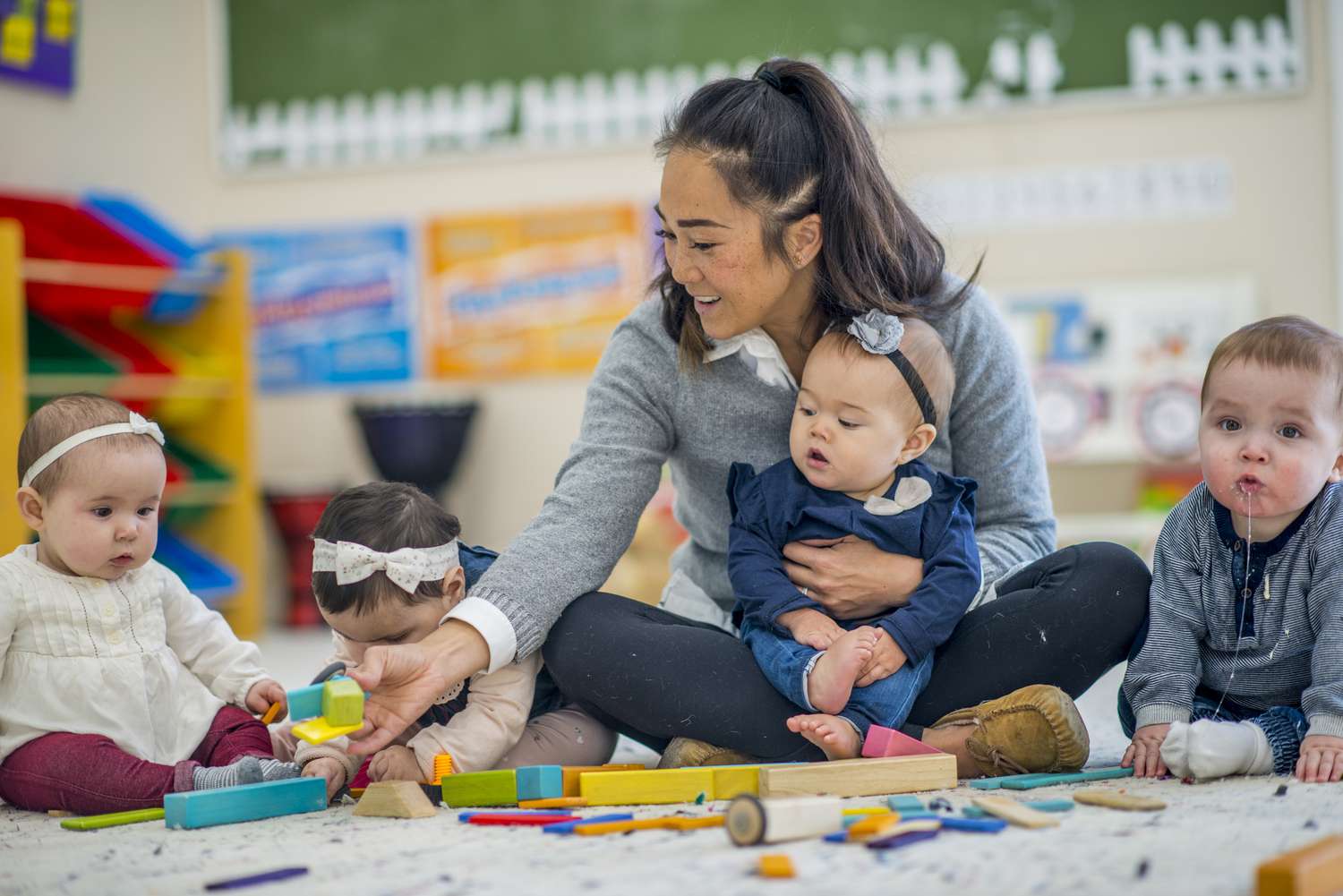
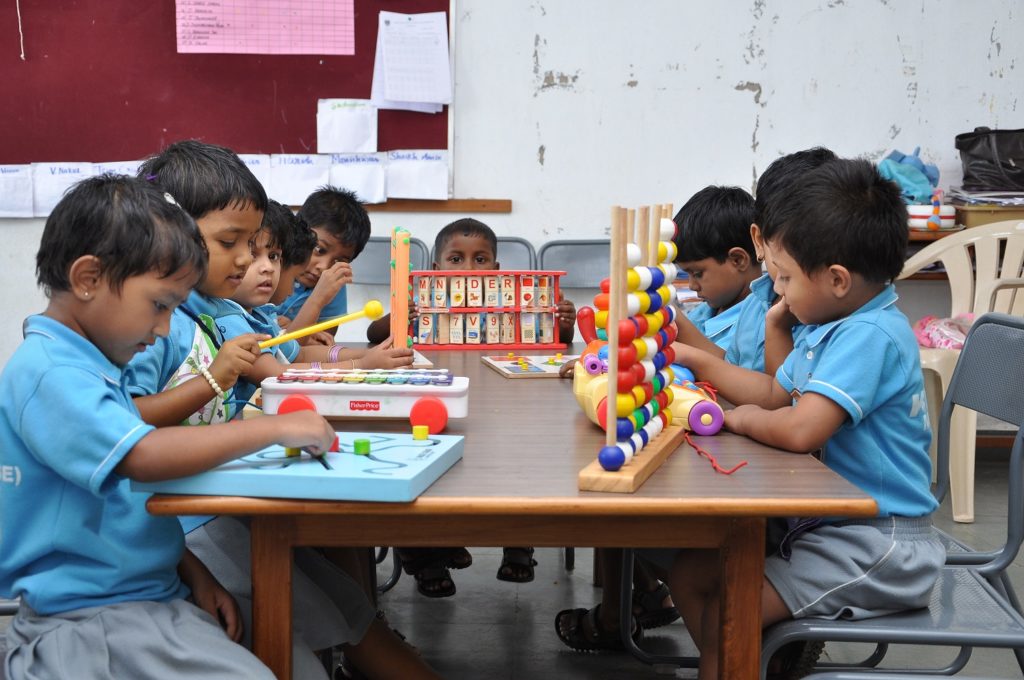
* Age-appropriate materials: Preschools and daycares provide a variety of age-appropriate learning materials, toys, and resources that engage children and support their cognitive, social, and emotional development.
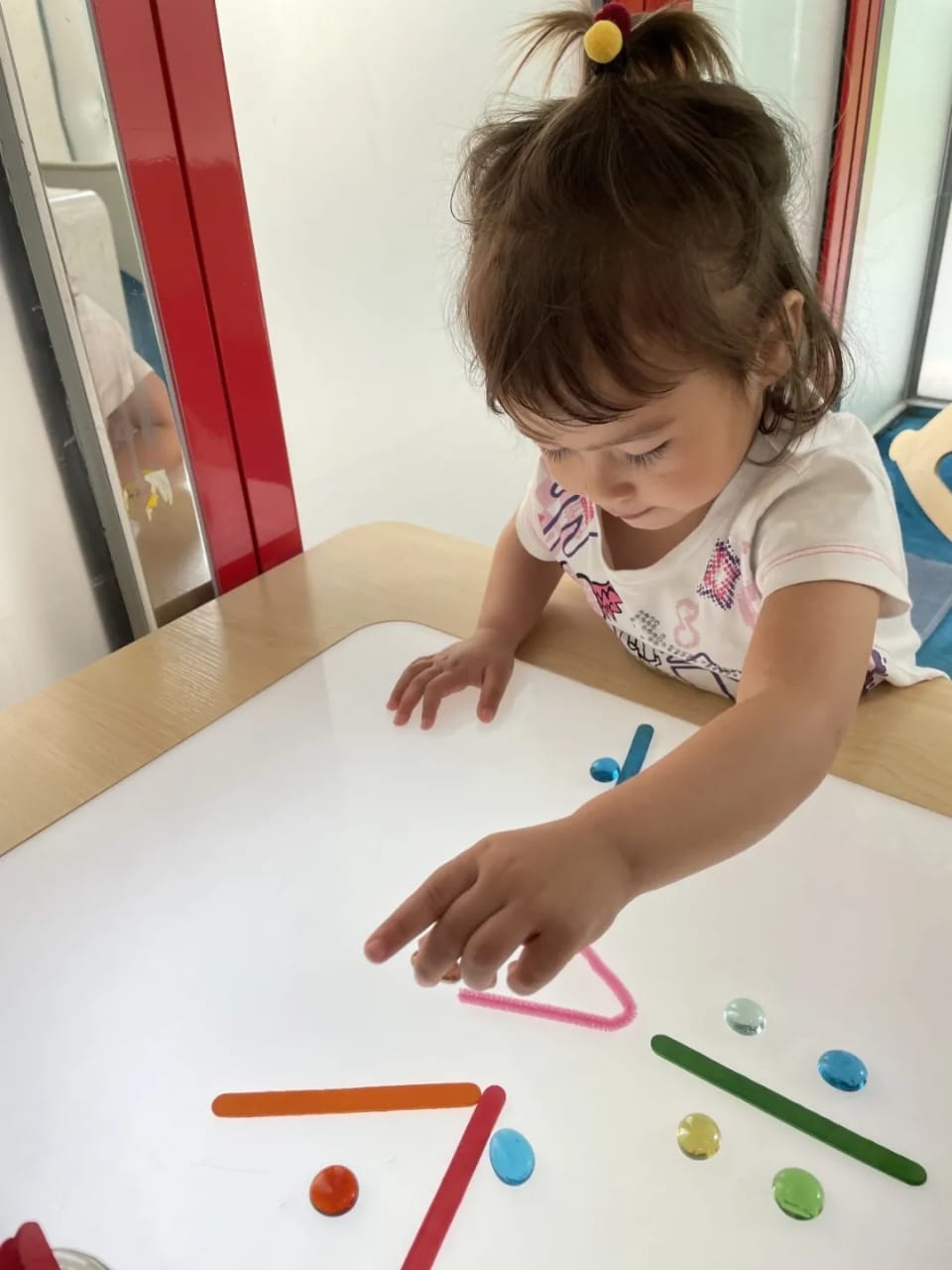
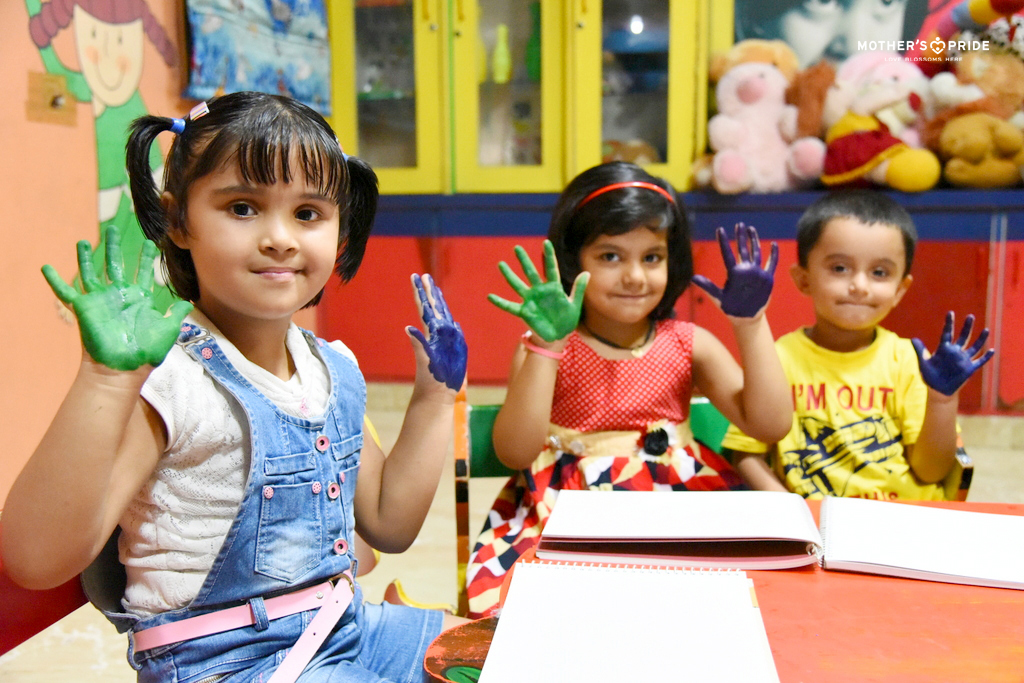
* Learning centers: Designated learning areas or centers within the environment allow children to explore different subjects, such as art, science, math, language, and sensory play, fostering a well-rounded learning experience.
* Play-based learning: Preschools and daycares incorporate play-based learning approaches that encourage hands-on exploration, problem-solving, creativity, and critical thinking skills.
3. Qualified and Caring Staff:
* Trained educators: Preschools and daycares employ qualified educators who have a deep understanding of child development and appropriate teaching methodologies.
* Supportive caregivers: Caring and nurturing caregivers foster positive relationships with children, providing them with emotional support and individual attention.
* Continuous professional development: The staff participates in ongoing training and professional development programs to stay updated with the latest research, teaching techniques, and best practices in early childhood education.
4. Social and Emotional Development:
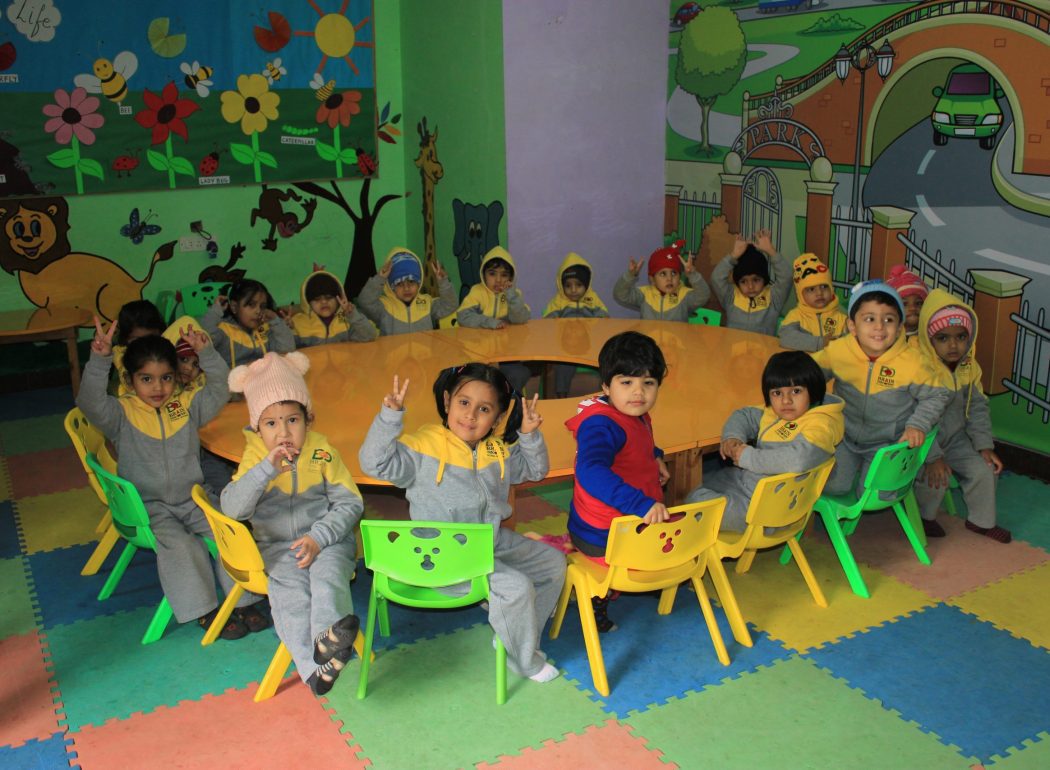
* Social interactions: Preschools and daycares create opportunities for children to engage in group activities, peer interactions, and collaborative play, fostering social skills, empathy, and teamwork.
* Emotional support: Educators and caregivers provide a supportive and nurturing environment that promotes emotional well-being, helping children develop self-regulation, resilience, and positive self-esteem.
5. Parent Engagement and Communication:
* Open communication: Preschools and daycares maintain open lines of communication with parents, regularly sharing updates about their child's progress, activities, and events through various channels.
* Parent involvement: Preschools and daycares encourage parent involvement in their child's learning journey through parent-teacher meetings, workshops, and volunteering opportunities, fostering a strong partnership between parents and the educational institution.
6. Outdoor and Physical Activities:
* Outdoor play area: Preschools and daycares provide a safe and well-equipped outdoor play area where children can engage in physical activities, promoting gross motor skills, coordination, and overall physical development.
* Physical education:Dedicated time for structured physical education activities or movement-based exercises is incorporated into the curriculum, promoting healthy habits and an active lifestyle.